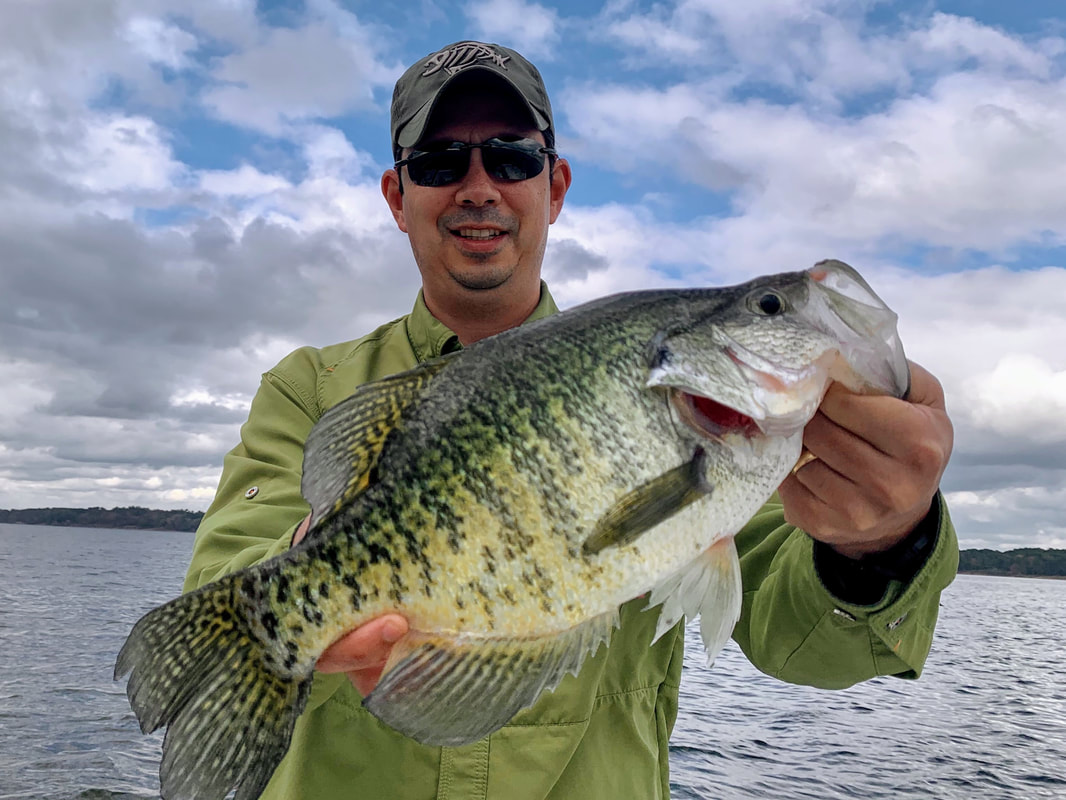
The author's biggest ever White Crappie, caught in Lake O the Pines, Texas on a hand tied jig.
Crappie
Pomoxis nigromaculatus
Pomoxis annularis
HOME
Other Species
Crappie Description
Also known as specks, calico bass, papermouths, sac-a-lait, and speckled perch, Crappie are generally considered the most desirable panfish. They have a special place in my heart though. This is due to their striking body color patterning and the fact that they taste good. They are found throughout the US and Canada.
Crappie can be ridiculously easy to catch when you find them schooled up, particularly in the spring when they go shallow, and then sometimes very tough to find and catch during other parts of the year such as the winter when they congregate in deeper areas. If you are a bank fisherman, they can be extremely hard to catch when they are not in the shallows. If you have a boat, then good electronics such as a Garmin Livescope, can really make the difference in finding and catching crappie when they are not in the shallows and you can catch them all year. They can generally be found in schools near underwater brush, sunken trees, and other structure and many anglers place Christmas trees or man-made structure in strategic spots to attract them. Sometimes, however, they can be found in open water roaming around chasing shad and other baitfish.
Crappie are found in the US and Canada. They primarily eat small fish as adults, including the young of some of their main predators such as bass and pike. They also eat their own young. They will also eat crawfish and other crustaceans, and I have caught a few large ones when fishing plastic crawfish lures for bass. They also eat insects and insect larvae, especially when smaller. However, the vast majority of big crappie are caught on minnows or minnow-imitating lures.
Crappie have very soft, thin mouths so you can’t pull on them too hard or you will pull the hook out. Despite being about the same size, their mouths are much larger than Bluegill; more similar to a Largemouth Bass.
There are two species, the White Crappie and the Black Crappie. However, color is not the definitive way to tell which is which. Black Crappie have more of a spotted pattern and the White ones have more vertical patterns but they can be tough to tell apart as there can be lighter and darker specimens of each. Black Crappie have more dorsal spines (7-8) than White Crappie (5-6). Both species are often found in the same bodies of water and occasionally cross breed, producing hybrids. Both Black and White Crappie mature around 2 years and live to 6-7 years in the Southern US and up to 15 years farther north. However, growth rates are very slow in the north, with a 4-year old Crappie in Pennsylvania only growing to 1/2 lb on average. A 4-year old fish in the South could be well over 2lbs depending on the body of water.
Black and White Crappie are approximately the same size, with a 2lber being very large and anything over 3lbs being a real giant. Only a handful of waters produce Crappie of either species of 3lbs or better. The various US state records range from a little under 3lbs to a little over 5lbs. Both the Black and White Crappie world records are a little over 5lbs. The same fishing techniques work for both Black and White Crappie. Note that White Crappie have softer mouths, so you really have to be careful not to tear the hook out.
Crappie are one of the better eating freshwater fish in North America and are highly prized as food fish.
The photos below illustrate the difference between Black and White Crappie.
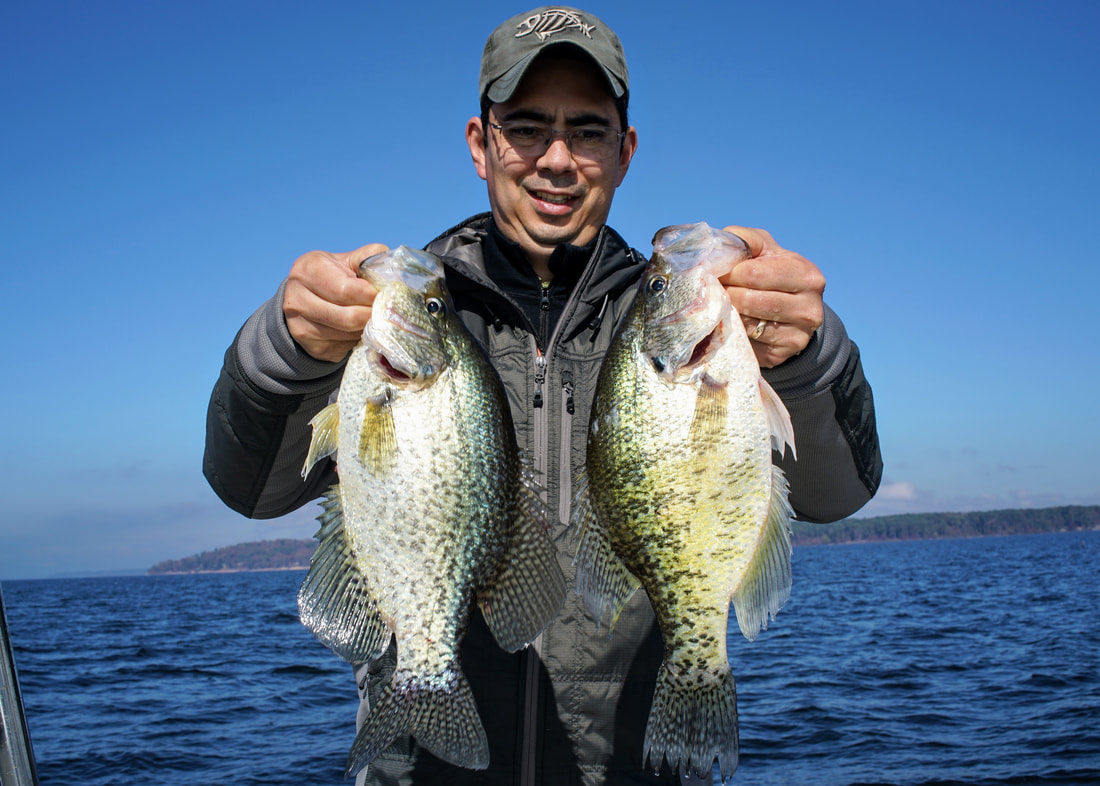
Black Crappie on the left, White Crappie on the right.
|
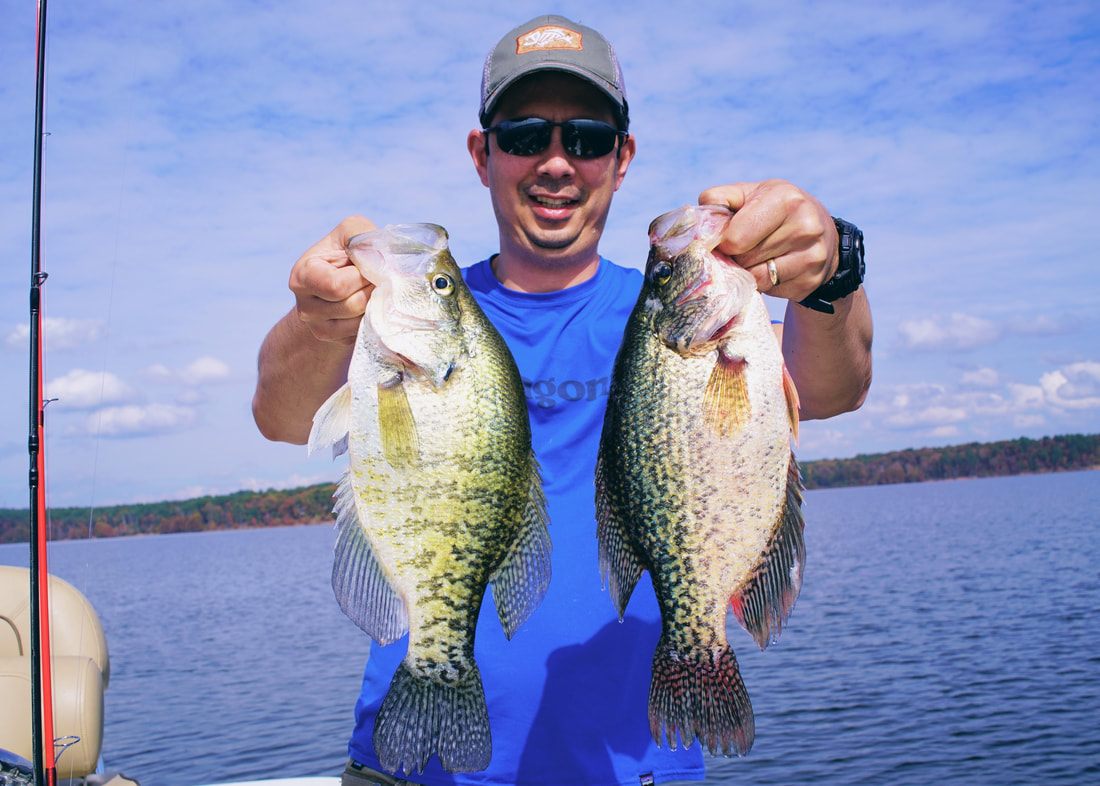
White Crappie on the left, Black Crappie on the right.
|
Crappie Pound for Pound Fight Rating - 5 out of 10 on the Freshwater Scale
Crappie are slender and not particularly strong. However, they are often hooked in cover, and they do sometimes wrap your line around sunken tree branches and bust off. For that reason, I bumped them up to 5.
Crappie Tackle
When fishing in heavy cover you should probably use at least 10lb line. In open water, you can fish for them with lighter line, especially if the water is very clear. They don't pull particularly hard, but they can wrap you up quick if you let them and they are usually found near cover. They generally have a very soft bite, so a light and sensitive rod can be very helpful, especially if you are fishing for them with lures. You need a sensitive rod to help detect the bites, and a light rod can help with not tearing the hook out of their soft mouths. That said, some people do like to use long stiff rods to drop a bait right in front of them and then just hoist them out in one motion. Personally, I like the shorter and lighter rods to make it more sporty.
Crappie Techniques
Crappie will readily bite bait or lures. Whatever you use, make sure you use a light rod and light drag to avoid tearing the hook out of their mouth. Their bite is often very light so you have to really be paying attention. Keep your bait or lure above them, because they are designed to look at and hunt things above them rather than below. They tend to suck things in more than peck at them like Bluegill. Look for them around structure, especially shallower structure like sunken trees in the spring when they spawn. They generally are found deeper the rest of the year. Many of my biggest ones have generally been caught incidentally when I was fishing for Largemouth Bass. If you specifically want to target them, an electronic fish finder will come in really handy, especially during times of the year when they are not up shallow.
Crappie Lures
Crappie will often bite small 2”-3” plastic grubs and marabou jigs fished slowly through the school once you find them. Experiment with colors and use brighter colors on darker days with dirtier water and more natural colors in clearer water. If you aren't getting bites, try different colors as Crappie can get picky on color. Also experiment with depth to find where they are, then keep swimming the grub through that depth.
I have also done well with the Berkley Power Nymph in Smoke Orange Color. Many of the fish shown above and below were caught on that. Again, I fish it very slowly through the school. I don't even jig or twitch it, just slowly reel through. Fast erratic movements will often spook Crappie.
Crappie also bite small skirted mini tube jigs. You can fish them with or without a slip bobber. The bobber can help suspend the jig at the right depth once you find them. Electronics can be very helpful in finding what depth they are at, but you can experiment with different depths by adjusting the slip bobber until you find them. I don’t like to give them a ton of action; just suspend them in front of the fish once you figure out the depth they are at and occasionally twitch the jig or slowly raise it.
If you are fishing small jigs or plastics, it helps to add a Berkley Crappie Nibble. They are soft and fall off easily so you will go through a lot of them, but they leave a scent trail that Crappie really like.
Trolling can be an effective technique for catching Crappie, especially when they are in open water chasing shad. A small crankbait like the Bomber Fat Free Shad (Fingerling size) can be dynamite. One very specialized technique for trolling for Crappie is called Spider Rigging. This involves slow trolling with 4-10 rods arrayed all over the boat. I have never tried this technique, but you can learn about it here.
Anything that looks like a small minnow and can be fished relatively slowly should catch some Crappie.
Crappie are slender and not particularly strong. However, they are often hooked in cover, and they do sometimes wrap your line around sunken tree branches and bust off. For that reason, I bumped them up to 5.
Crappie Tackle
When fishing in heavy cover you should probably use at least 10lb line. In open water, you can fish for them with lighter line, especially if the water is very clear. They don't pull particularly hard, but they can wrap you up quick if you let them and they are usually found near cover. They generally have a very soft bite, so a light and sensitive rod can be very helpful, especially if you are fishing for them with lures. You need a sensitive rod to help detect the bites, and a light rod can help with not tearing the hook out of their soft mouths. That said, some people do like to use long stiff rods to drop a bait right in front of them and then just hoist them out in one motion. Personally, I like the shorter and lighter rods to make it more sporty.
Crappie Techniques
Crappie will readily bite bait or lures. Whatever you use, make sure you use a light rod and light drag to avoid tearing the hook out of their mouth. Their bite is often very light so you have to really be paying attention. Keep your bait or lure above them, because they are designed to look at and hunt things above them rather than below. They tend to suck things in more than peck at them like Bluegill. Look for them around structure, especially shallower structure like sunken trees in the spring when they spawn. They generally are found deeper the rest of the year. Many of my biggest ones have generally been caught incidentally when I was fishing for Largemouth Bass. If you specifically want to target them, an electronic fish finder will come in really handy, especially during times of the year when they are not up shallow.
Crappie Lures
Crappie will often bite small 2”-3” plastic grubs and marabou jigs fished slowly through the school once you find them. Experiment with colors and use brighter colors on darker days with dirtier water and more natural colors in clearer water. If you aren't getting bites, try different colors as Crappie can get picky on color. Also experiment with depth to find where they are, then keep swimming the grub through that depth.
I have also done well with the Berkley Power Nymph in Smoke Orange Color. Many of the fish shown above and below were caught on that. Again, I fish it very slowly through the school. I don't even jig or twitch it, just slowly reel through. Fast erratic movements will often spook Crappie.
Crappie also bite small skirted mini tube jigs. You can fish them with or without a slip bobber. The bobber can help suspend the jig at the right depth once you find them. Electronics can be very helpful in finding what depth they are at, but you can experiment with different depths by adjusting the slip bobber until you find them. I don’t like to give them a ton of action; just suspend them in front of the fish once you figure out the depth they are at and occasionally twitch the jig or slowly raise it.
If you are fishing small jigs or plastics, it helps to add a Berkley Crappie Nibble. They are soft and fall off easily so you will go through a lot of them, but they leave a scent trail that Crappie really like.
Trolling can be an effective technique for catching Crappie, especially when they are in open water chasing shad. A small crankbait like the Bomber Fat Free Shad (Fingerling size) can be dynamite. One very specialized technique for trolling for Crappie is called Spider Rigging. This involves slow trolling with 4-10 rods arrayed all over the boat. I have never tried this technique, but you can learn about it here.
Anything that looks like a small minnow and can be fished relatively slowly should catch some Crappie.
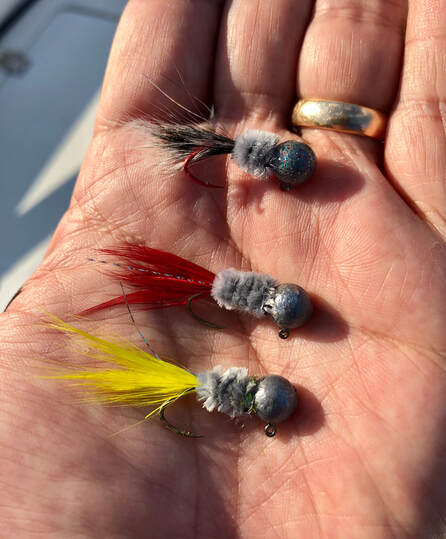
Hand-tied jigs. Typically 1/16 oz to 1/4 oz depending on water clarity and fish depth
|
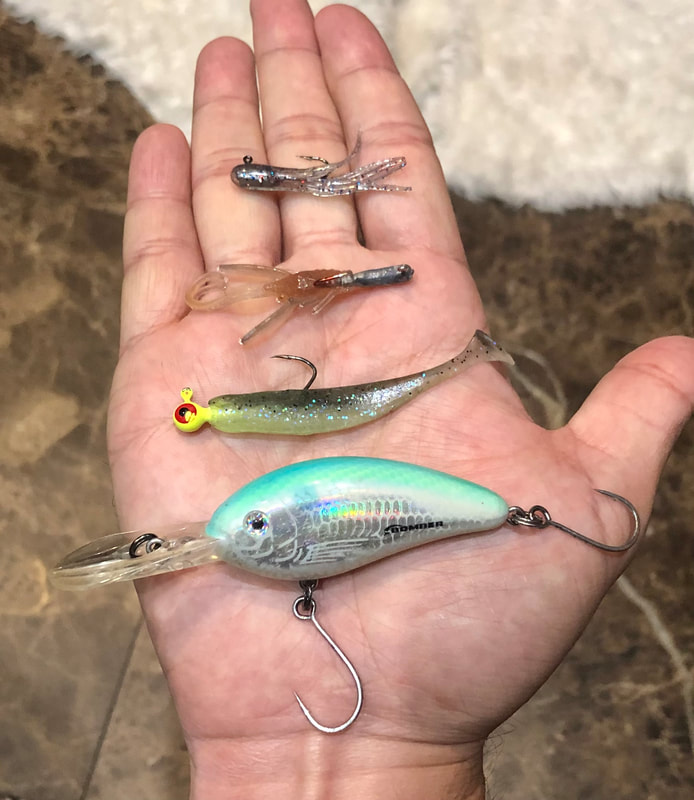
Top to bottom: mini tube jig, Berkley Power Nymph, Keitech Easy Shiner, Bomber Fat Free Shad
|
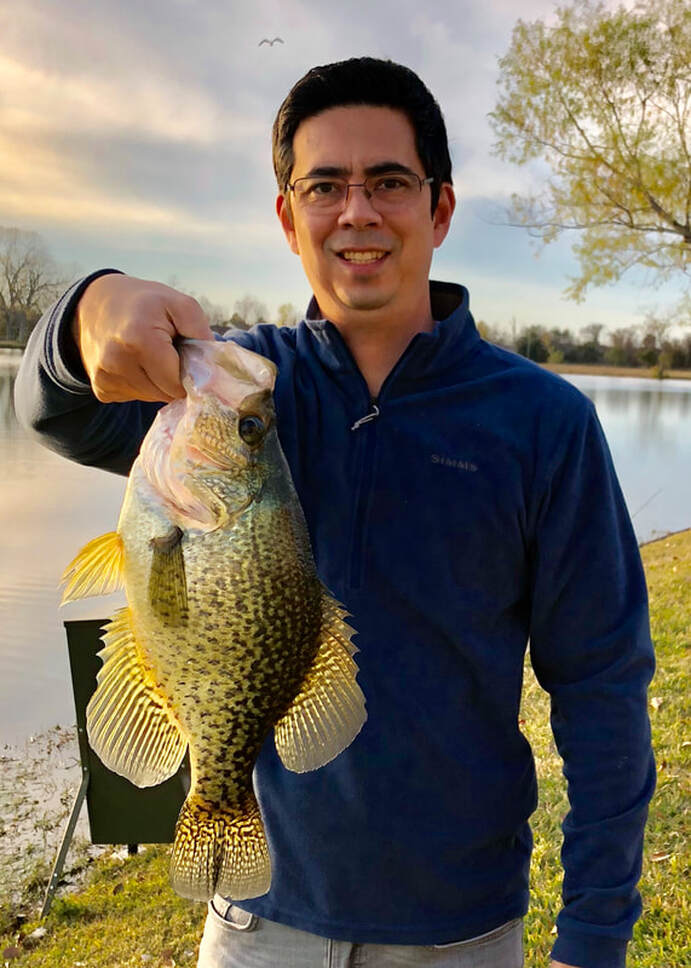
Large Black Crappie caught in Texas on a Keitech shad.
Crappie Baits
Minnows (small shad, fatheads, even goldfish) are by far the most popular bait for Crappie. These are generally fished under a bobber, often with a small split shot weight or jig head to get them down to where the fish are. Crappie like to feed on things above them, so try to set your minnow just above where they are holding.
They will also bite a worm. They are less apt to peck the worm off your hook like Bluegill do, so I would go with a whole small or medium size worm.
I'm more of a lure guy, and have only fished for them with bait a couple of times, but day and and day out it's hard to beat a minnow.
Where to get the big Crappie
Large Crappie are found in so many lakes and rivers throughout the country it’s hard to pinpoint one or two trophy locations. In general, because of the longer growing season, they get bigger in the Southern half of the US.
Other Crappie Resources
The above barely scratches the surface on how to catch Crappie. The resources below will provide a wealth of information:
This guy will put you on the crappie in Texas: www.lakeothepinescrappiefishing.com/.com
In Fishermen has produced a great book entitled Crappie Wisdom that has everything you need to know to catch these.
Black Crappie Album:
White Crappie Album:
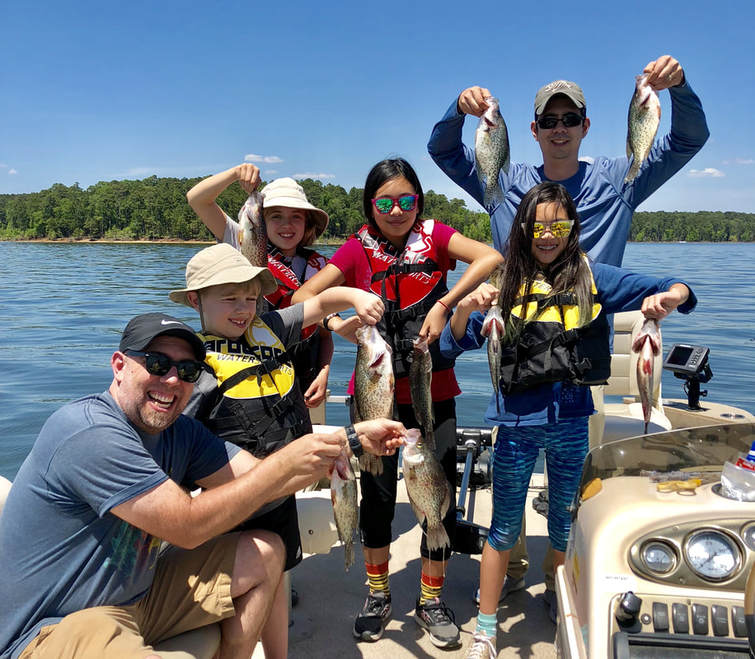
Crappie are a great fish to get kids started on fishing. When you run into a biting school, it can provide nonstop action like we found on this trip to Sam Rayburn Lake in Texas.